

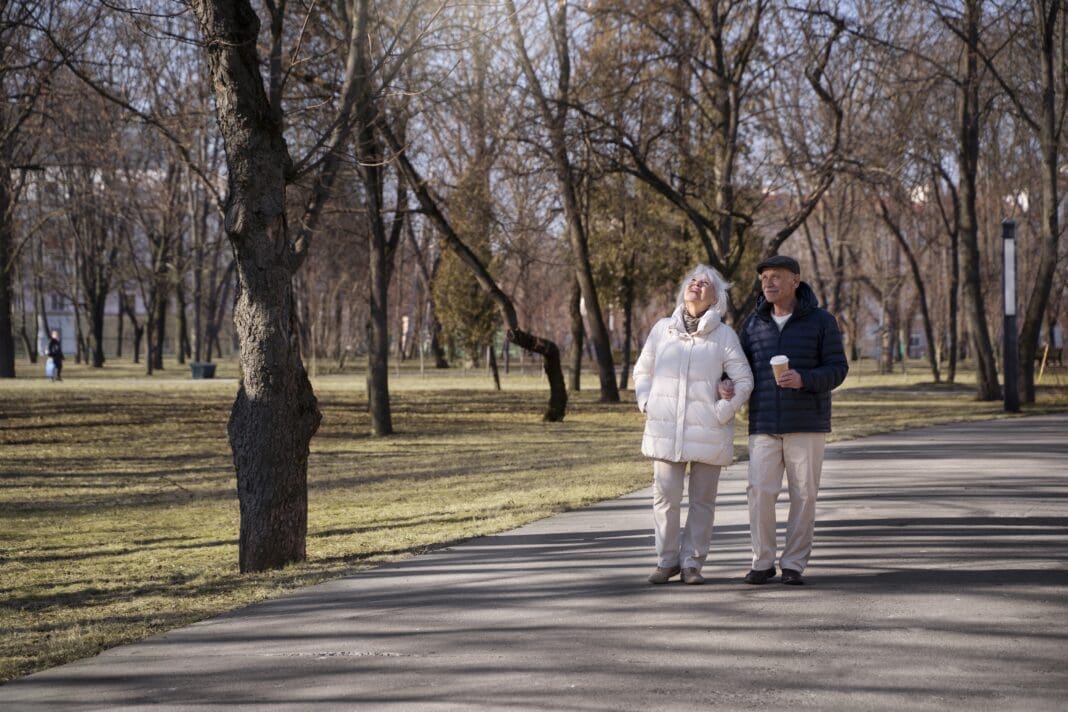
The Many Good Things About Walking for People Over 60
Walking is one of the best, safest, and easiest ways to get healthier and live a better life, especially for people over 60. You don’t need any special tools to do it, and you can do it almost anywhere. It helps your body and mind by lowering stress, making you feel better, and making your brain work better. The main benefits of walking regularly are that it lowers blood pressure, improves circulation, and lowers the risk of heart disease and stroke. Moving while carrying weight helps keep muscle mass and bone density, which lowers the risk of osteoporosis and weakness. Walking makes it easier to walk and move around, which helps with balance and mobility. This lowers the chance of falling and helps you stay on your own. Good for your joints: Moving around without putting too much stress on them keeps them lubricated and can help ease the stiffness that comes with arthritis. Aids in managing weight and metabolism: Walking regularly helps you keep your weight in check and your blood sugar levels stable. Endorphins are released when you walk, which can make you feel better and help you think more clearly. It can also help with symptoms of anxiety and depression. Better sleep: Being active during the day helps you sleep better and more regularly, which gives you more energy and makes you healthier overall. Connection with others: Walking with friends or groups gives you a chance to talk to other people, which can help you feel less lonely and better emotionally. How to get started (in a safe and lasting way) Talk to your doctor if you have health problems that have been going on for a long time or if your health has changed recently. Begin with 10 to 15 minutes each day and gradually increase to 30 to 60 minutes most days of the week. Choose shoes that fit well, support you well, and don’t slip. Get ready and cool down: Begin and end with a few minutes of slow walking and light stretching. Use it if you need help. Using a cane or trekking pole can help you stay steady. If you need help getting around, a walker can help you find shorter, safer paths. Walk with other people or in groups for safety and motivation. Change the speed and the terrain: Mix in gentle hills, quick intervals, and flat routes to build strength and endurance. To stay safe and be seen, wear bright clothes, carry a phone, know your route, and stay away from dark or empty places. Intensity: You should be able to talk but not sing while walking at a steady pace. You can use either your provider’s heart rate guidelines or your own perceived exertion. A simple step counter, pedometer, or journal can help you keep track of how far you’ve come. It’s important to make small, steady progress. A plan for beginners to follow each week Week 1–2: 10 to 15 minutes a day at a slow pace. Weeks 3–4: 20–30 minutes, 4–5 days a week, with 1–2 quick 5-minute breaks. From the second month on, work up to 30 to 60 minutes most days and add hills or longer brisk intervals. When you should see a doctor Chest pain that is new, shortness of breath that isn’t normal, dizziness, fainting, or sudden severe pain. If your calf suddenly swells, turns red, or hurts all the time, you might have a blood clot. Changes in your heart rate, breathing, or general health that make you worry when you work out. Finally, walking is a simple and inexpensive way for people over 60 to protect and improve their health in all areas: physically, mentally, and socially. Start slowly, keep up your pace, put safety first, and enjoy all the benefits of each step.

