

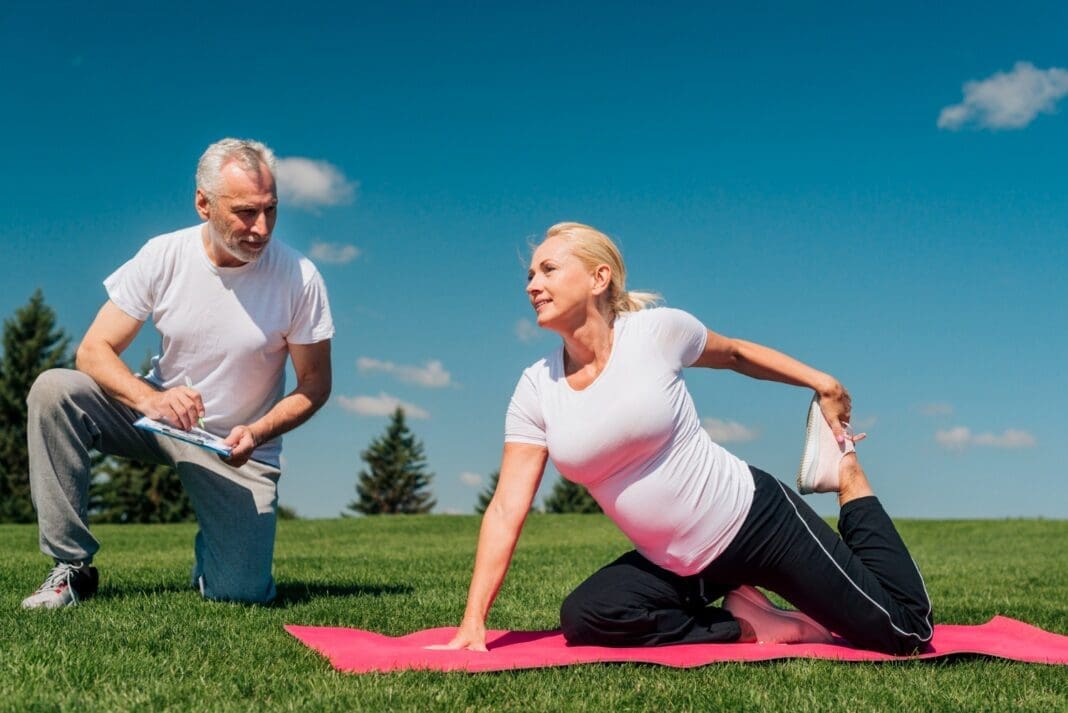
Some Reasons Why Physical Fitness for Active Aging is Important in 2026:
Physical fitness for active aging people, those in their 60s and older, need to stay in shape to be healthy, have a good quality of life, and be able to take care of themselves. Regular active aging exercise and physical activity can slow down, control, or even reverse the changes that happen as we get older. This article talks about why it’s important to stay fit and gives older people some easy ways to stay strong and active.
Why it’s Important to Stay in Shape:
Keeps you independent: Being strong, balanced, and able to move around lowers your risk of falling and makes things like walking, climbing stairs, and carrying groceries safer and easier.br/strong>
How to Create a Routine That Works:
Gardening, dance classes, or social walking groups are all great ways to get some exercise and meet new people.
Your goals should be enjoyable, achievable, and adaptable. These kinds of goals help you keep going.
Check in on how you’re doing, celebrate small wins, and change the intensity as your health changes.
Active aging fitness is no longer just about working out in a chair as we move into 2026. Functional fitness is one of the newest trends in health. These movements help you stay independent, do your daily tasks, and lower your risk of falling. You need to work on your strength and balance if you want to live a long time, no matter how old you are.
You need to move with a purpose if you want to stay active into your 70s and 80s, stay independent, and get around better.
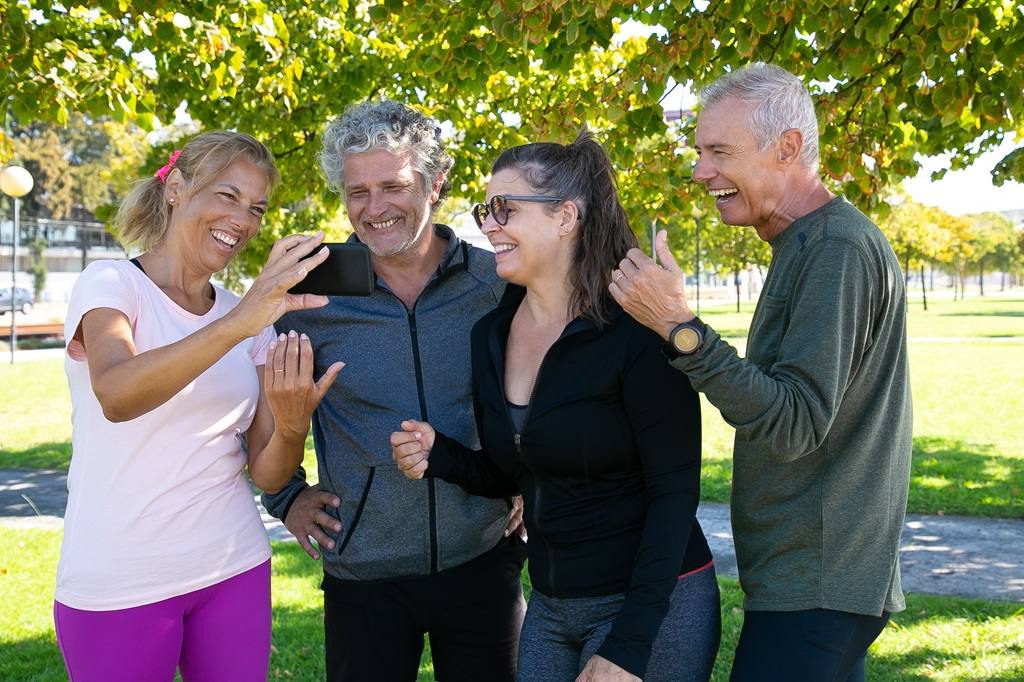
Join a walking club!
Why You Should do Functional Strength Training When You’re Over 60:
After age 30, you lose muscle faster (sarcopenia), but you can stop it by working out with weights on a regular basis. Modern fitness programs for older adults don’t have long, scary workouts at the gym. Instead, they focus on “movement snacks,” which are short, regular bursts of activity.
In 2026, a personalized fitness plan for seniors will have these advantages:
You are less likely to fall because you move and balance better.
Better Mobility Every Day: Makes it easier to go up and down stairs or carry groceries.
Joint Stability: Keeps joints safe and makes them less stiff.
The Five Best Moves for Strength and Flexibility in 2026:
Do these five moves two to three times a week for physical fitness for active aging and to get a lot stronger and more flexible.
1. The Sit-to-Stand Chair Squats.
Your core, legs, and butt are the main targets.
Why: It’s important for being able to live alone and get up from any chair.
How: First, sit in a strong chair. Next, stand up without using your hands. Ten times.
2. Do Push-ups Against a Wall for a Great Active Aging Exercise.
The shoulders, chest, and triceps are the parts of the body that you want to hit.
Why: It strengthens your upper body so you can push doors open or lift things.
How: Stand back and put your hands on a wall at shoulder height. Next, do a push-up.
3. Lateral Leg Lifts with Help.
The glutes and hips are the targets.
Why: It helps you stay balanced and stable when you walk.
To keep your balance, stand behind a chair and lift one leg to the side. Hold it for two seconds, then slowly lower it.
4. Walking From Heel to Toe on a Tightrope. Physical Fitness for Active Aging
The goal is to improve your neuromuscular fitness and balance.
Why: This exercise helps you stay balanced and not fall.
How: Walk in a straight line with one foot’s heel right in front of the other foot’s toes.
5. Do The Bird Dog Exercise.
You want to make your core and lower back stronger.
Why: It helps with back pain and makes you feel more stable.
How: Get down on your hands and knees and stretch your left leg back and your right arm out in front of you.
Move Your Body and eat Well to be Successful in 2026:
Being consistent is more important than being intense. Small wins lead to bigger wins. You can get results in only 20 minutes a day.
The most popular fitness trends for 2026 are smartwatches and rings. They can help you keep track of how many steps you take and how well you heal.
It is important to get protein. Eat enough of it to help your muscles heal.
Are you ready to start your fitness journey in 2026? Join our[Community/Newsletter] to get more ideas on how to stay active as you get older.
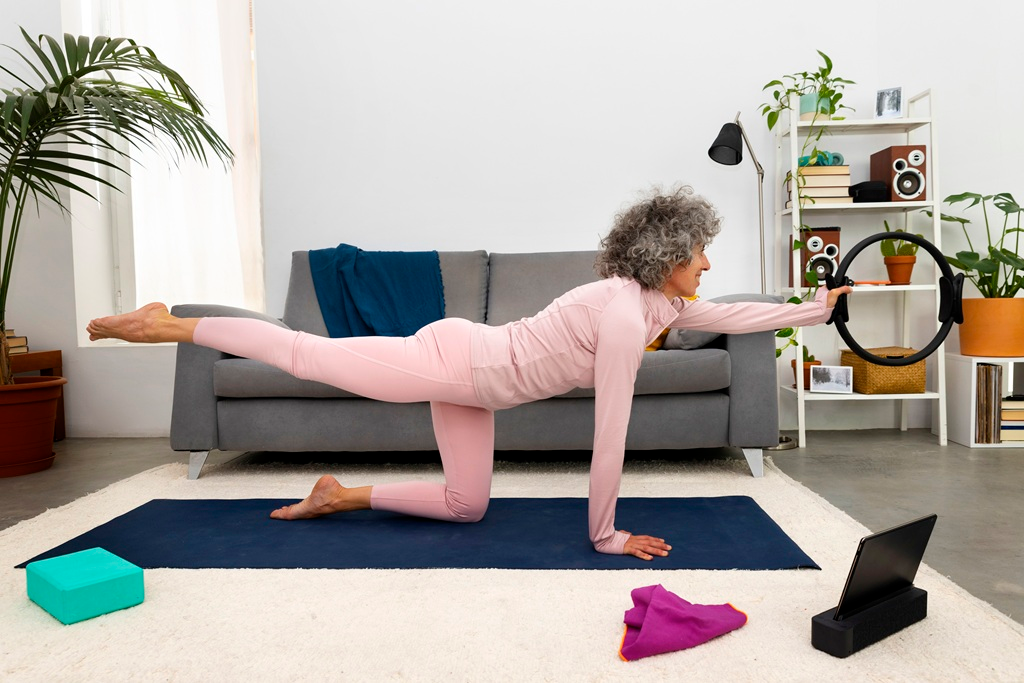
The bird dog makes your core stronger.
FAQs About Why Physical Fitness for Active Aging is Important in 2026:
What does “active aging” mean?
Staying physically, mentally, and socially engaged as you grow older to maintain independence and quality of life.
Why is physical fitness especially important for older adults now (2026)?
Better longevity, advanced treatments, and tech (wearables, AI coaching, telehealth) mean fitness directly translates to greater independence, reduced healthcare use, and improved outcomes.
What are the main health benefits of staying fit as you age?
Reduced risk of chronic disease (cardiovascular disease, type 2 diabetes), improved balance and mobility, stronger bones and muscles, better cognition, mood, and sleep.
How does exercise reduce fall risk and injury?
Strength, balance, and reaction-time training improve stability; flexibility and gait training decrease trip-and-fall incidents.
What types of exercise are most effective for active aging?
Combination: aerobic (walking, cycling), resistance/strength training, balance/functional training, and flexibility/mobility work.
How often should older adults exercise?
Aim for at least 150 minutes/week of moderate aerobic activity plus 2+ days/week of muscle-strengthening and regular balance work; tailor to individual capacity and medical advice.
Are there safe options if I have chronic conditions?
Yes—programs can be adapted; many conditions benefit from tailored exercise prescriptions and remote monitoring via telehealth or supervised programs.
How can technology help with physical active aging exercise?
Wearables track activity and vitals; AI apps provide personalized plans; virtual classes and tele-rehab improve access and adherence.
Can exercise improve mental health and cognition?
Yes—regular physical activity reduces anxiety/depression symptoms, supports executive function and memory, and may slow cognitive decline.
Is strength training safe for older adults?
When properly programmed and progressed, strength training is safe and crucial for preserving muscle mass, metabolic health, and independence.
What precautions should be taken before starting a program?
Get medical clearance if you have serious health issues, begin with a gradual plan, consider supervised sessions, and monitor symptoms like chest pain or severe dizziness.
How quickly will I see benefits?
Some benefits (mood, sleep, energy) can appear within weeks; strength, balance, and metabolic improvements typically appear in 6–12 weeks with consistent effort.
Does nutrition interact with exercise in aging?
Adequate protein, vitamin D, calcium, and balanced calories support muscle maintenance, bone health, and recovery; consider professional guidance.
What community or program options are available in 2026?
Local active aging fitness classes, hybrid virtual/in-person programs, telehealth physiotherapy, community walking groups, and app-based coaching tailored for older adults.
How can caregivers and families support physical fitness for active aging?
Encourage and join activities, help access technology or classes, ensure safe environments for exercise, and coordinate with healthcare providers.
Where can I find reliable programs or professionals?
Look for certified trainers with active aging, geriatric or clinical certifications, licensed physiotherapists, clinician-referred exercise programs, and reputable digital platforms with privacy and safety standards.
Summary: Why is Physical Fitness for Active Aging Important in 2026
Staying fit after 60 preserves independence, reduces chronic disease risk, boosts brain health and mood, and improves sleep and energy. Aim for 150 minutes/week of moderate aerobic activity, two weekly strength sessions, and regular balance/flexibility work (tai chi, yoga, heel-to-toe walking). Start small with short “movement snacks,” follow medical advice, and choose enjoyable activities—gardening, dance, or walking groups—to build a sustainable routine. Functional strength and balance training help prevent falls and maintain daily mobility; combine consistent movement with adequate protein and wearable tracking for best results. Join our community/newsletter for more tips and beginner plans.

