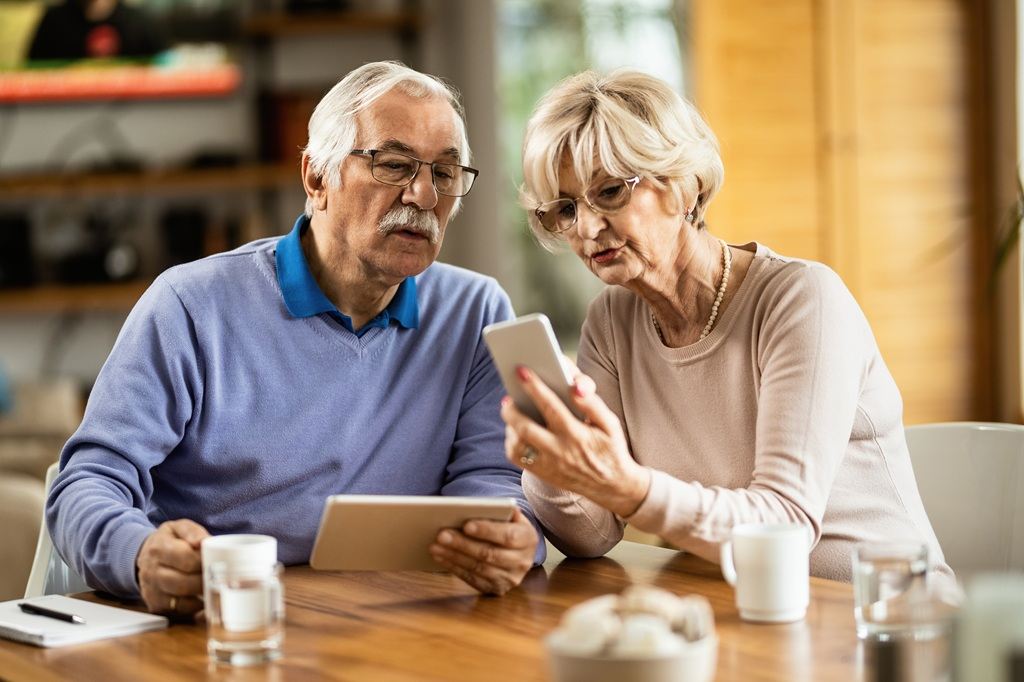
Why Social Connection Is the Key to Emotional Wellness for People 60+ in 2026
Why social connections for people over age 60 is so important for the emotional health of people over 60 in 2026.
In 2026, it’s more important than ever for emotional health to stay socially connected, especially for people 60 and older. Here’s why connection is important and some easy ways to strengthen it.
Why Social Connection Matters:
Protects Mental Health:
Staying in touch with people lowers the risk of depression, anxiety, and long-term loneliness.
Supports Cognition:
Being social keeps the brain active and is linked to better memory and slower cognitive decline.
Better Health:
Having strong relationships is linked to lower blood pressure, a better immune system, and a longer life.
Friendships, volunteering, and family roles give people a sense of purpose and meaning.
Trusted people can help you deal with stress by giving you emotional support, practical help, and a new point of view when your health or life changes.
Social Isolation Barriers for Older Adults:
Social Connections for People Over Age 60 Loss and Changes:
Moving, retiring, or losing a loved one can make your social circle smaller.
Hearing loss, trouble moving, or a long-term illness can make it harder to join activities.
Technology Gap:
If you have trouble using phones, video calls, or social media apps, it can be difficult to stay in touch with friends and family who live far away.
Stigma:
Some people are afraid to reach out because they think they will be a burden, which can lead to feelings of isolation and loneliness, further complicating their ability to maintain social connections.

Social connections in 2026 are important!
What Makes Social Connection in 2026 Easier?
Technology is Easier to Use:
Video calling is easy, tablets with big buttons are easy to use, and apps that are easy for seniors to use make it easier to stay in touch.
Hybrid Social Connections for People Over Age 60 Communities:
Many groups now combine online and in-person activities, giving people with limited mobility more options.
More Awareness:
Healthcare providers and community centers are paying more attention to social prescriptions and programs for older people.
Useful Ways to Socially Connect:
Set up Regular Check-Ins:
Set up weekly calls or video chats with family or friends.
Social Connections for People Over Age 60 Take a Small Class or Join a Club:
Low-cost activities are available at community colleges, local libraries, senior centers, and faith groups.
Use Easy-to-use Tech:
Get a grandchild or a local volunteer to help you set up a tablet with quick links to video, photo sharing, and messaging.
Volunteer or be a Mentor:
Sharing your skills, like gardening, crafts, or tutoring, helps you connect with others and gives you a sense of purpose.
Join Groups That are a Mix of Different Things:
Find exercise classes, book clubs, or hobby groups that meet both online and in person.
Reconnect Slowly: Social Connections for People Over Age 60
Start with one person or activity; it’s better to take small, steady steps than to try to do everything at once.
When to Ask for More Help:
If you still feel lonely, hopeless, or have trouble sleeping or eating, get in touch with a doctor or counselor. A lot of clinics now check for social isolation and can point you to local resources.
Reach out to friends and family!
FAQ’s: Social Connections for People Over Age 60
Why do social circles often shrink after 60?
When you retire, you lose the day-to-day interactions at work, and if you move or lose a spouse/friends, you lose your established support networks. These changes often result in a reduced sense of belonging.
I recently retired, and I’m feeling isolated. Is this phenomenon usual?
Yes, it is very common. For approximately 40% of older adults, the loss of structured daily interaction results in severe social isolation following retirement.
How can hearing or vision loss affect my social life?
Sensory impairments are a major factor causing isolation. Those with hearing impairments must make a greater effort to decode speech, which can make conversations tiring or embarrassing and lead to social withdrawal.
I can’t walk. I can’t drive. How do I stay in touch?
Limited mobility means you can’t leave the house, and losing your ability to drive can make your world your home. Specialized senior transportation, technology for virtual visits, and asking visitors for help are effective solutions.
Technology can help you connect with loved ones who are far away, but you don’t have to use complex devices. Simple tablets, voice-activated assistants such as Alexa, or even a simple phone call can provide connection without requiring advanced skills.
I don’t wish to be a burden to my family. Should I just shut up?
This fear of being a “burden” is a major factor in loneliness. Reaching out is not a burden; most family members and friends want to support you. Talking about how you feel can help you feel less alone.
I am ashamed of being lonely. Is that alright?
Yes, there is a stigma about loneliness, and many seniors are reluctant to ask for help because of pride. Remember that loneliness is a public health problem, pervasive and treatable, not a personal failing.
What are the first steps to reconnect?
Create a Routine: Set up a regular schedule to check in with friends or family each day.
Use Technology: Ask a family member to set up a simple video chat tool.
Get Active Locally Local senior centers, volunteer opportunities, or faith-based groups may offer ways to get involved.
Address Health Concerns: Keep hearing aids and vision prescriptions current to help make socialization easier.
Summary Social Connections for People Over Age 60:
Social connection is crucial for emotional health in people 60+—it reduces depression, anxiety, and loneliness, supports cognition, improves physical health, and extends life.
Strong relationships provide purpose, practical help, stress relief, and emotional support during life or health changes.
In 2026, easier-to-use tech (video calls, senior-friendly apps), hybrid online/in-person groups, and increased attention from healthcare/community programs make connecting more accessible.
Practical steps: schedule regular check-ins, join classes or clubs, use simple tech (with help to set it up), volunteer or mentor, and start reconnecting slowly.
Seek professional help if loneliness, hopelessness, or major sleep/appetite problems persist; clinics often screen for social isolation and can offer resources.