

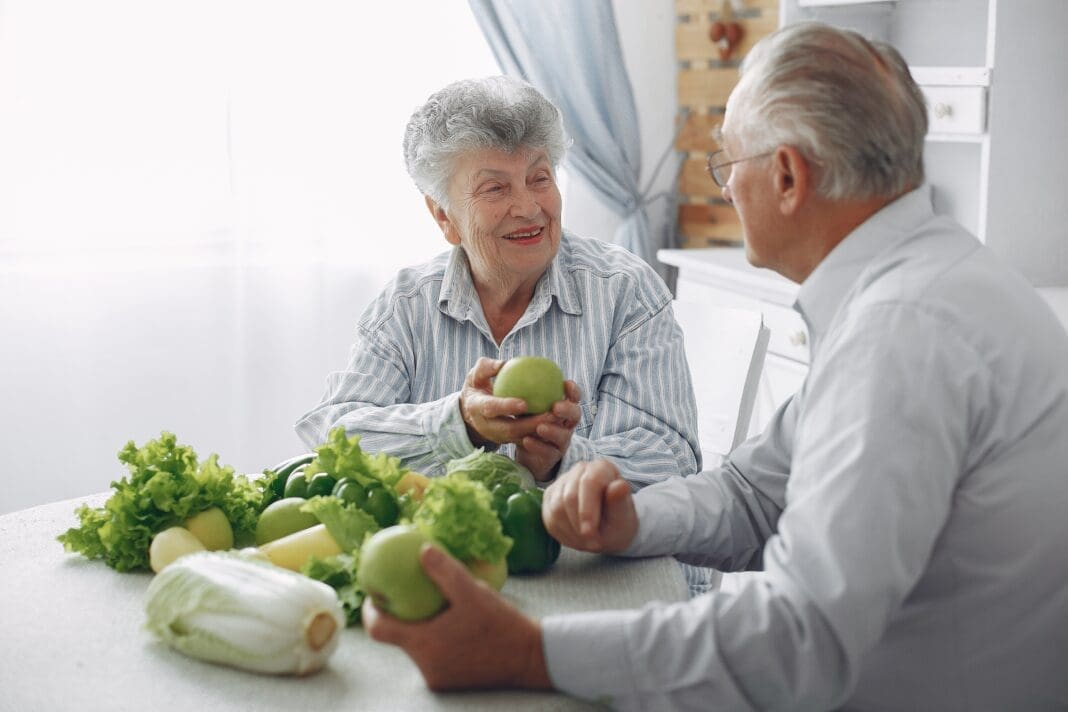
Nutrition for People age 60 and Older:
Find out the best 2026 nutrition tips for people age 60 and older. Find out how to keep your muscles strong, get more energy, for healthy aging, and eat well to live longer with simple, healthy food choices.
As we move into 2026, the way we think about healthy aging has changed from strict dieting to eating well and having fun. People over 60 need to eat more than just calories. They need to eat to keep their muscles strong, their minds clear, and their independence.
These seven easy tips for eating well, will help you feel your best, whether you’re cooking for one or dealing with changes in your appetite.
1. Make Protein the Most Important Part of Every Meal.
After age 60, muscle loss (sarcopenia) speeds up, so protein is important to keep you strong and mobile.
For 2026, try to get 25 to 30 grams of protein in each meal. Good sources of protein include eggs, Greek yogurt, chicken, fish, lien beef, and plant-based tofu.
A simple tip: Put a spoonful of protein powder in your oatmeal in the morning.
2. Don’t Just Count Calories; Also Think About Nutrient Density.
As people get older, their metabolism slows down. This means that older people need fewer calories but more nutrients.
Advice you can use: Fill half of your plate with colorful fruits and vegetables, like leafy greens, berries, and carrots, to get important antioxidants and fiber.
Smart Swap: Switch from white bread to whole-grain bread to get more fiber and improve your digestive health.
3. Fight Dehydration Before you get Thirsty.
As we get older, the feeling of thirst often goes away.
Instead of waiting until you’re thirsty, drink water all day long in 2026.
Ideas for staying hydrated: Eat foods that are high in water, like cucumbers, soups, and fruits.
4. Get More Calcium and Vitamin D to Help Your Bones Stay Healthy.
These two nutrients work together to stop osteoporosis from happening and are important to nutrition for people age 60 and older.
The best sources are dairy products (like milk, yogurt, and cheese), dark leafy greens, and foods that have been fortified, like orange juice or cereal.
Tip: Getting 15 minutes of sunlight every day can also help you get more vitamin D.
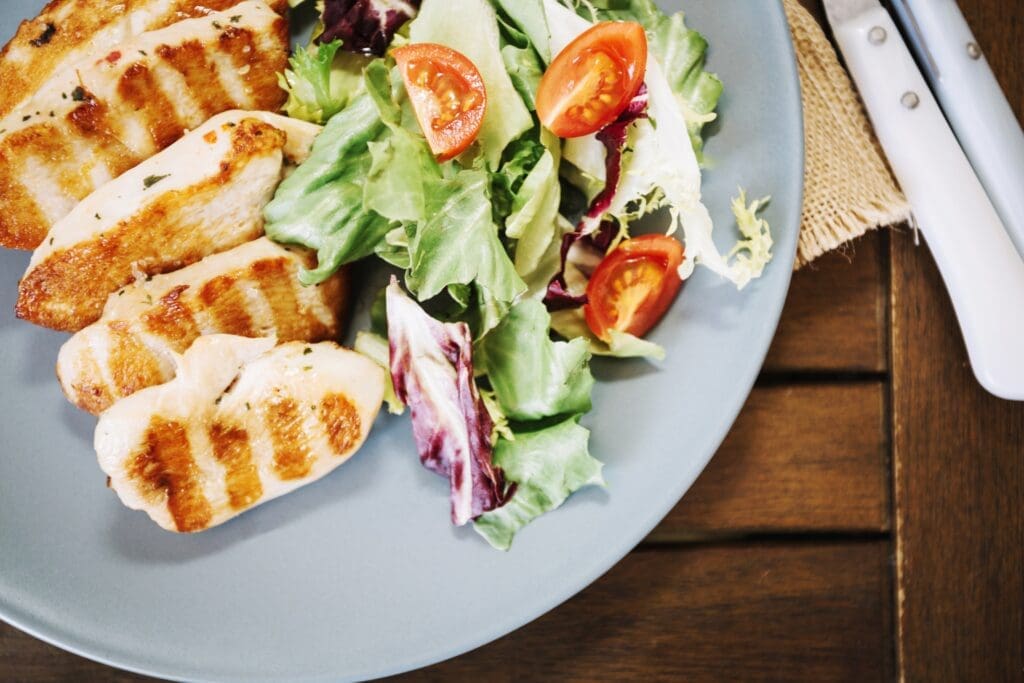
Chicken breast are versatile and high in protein.
5. Include “Brain-Health” Foods to Help Memory.
Eat less inflammatory food to protect your brain’s ability to think.
Include fatty fish like salmon and sardines for omega-3 acids and nuts and seeds for healthy fats.
Trend: A lot of focus is on berries and leafy greens to help memory.
6. Make it Easy to Plan Meals.
It can be tiring to cook for just one person.
Plan: Cook many basic foods, like quinoa or brown rice, and freeze them in single-serving portions.
Sheet pan meals, which are chicken and veggies roasted together, are simple to clean up.
7. Cut Back on Processed Foods and Added Sugars.
To keep your blood sugar steady and lower inflammation, eat fewer processed snacks and fried foods.
Pro Tip: Seek foods with 650mg of sodium or less on the Nutrition Facts label.
Key 2026 Action Plan Nutrition for People age 60 and Older
Brain Boost:
Eat berries and fatty fish regularly.
Prioritize Protein:
Add a scoop of protein powder to oatmeal or Greek yogurt.
Nutrient-Dense Plates:
Fill half your plate with colorful fruits and vegetables.
Smart Swaps:
Exchange white bread for whole-grain options for better fiber intake.
Frequently Asked Questions:
Nutrition for People age 60 and Older
How much protein do I really need per day?
After 60, protein is critical to combat muscle loss (sarcopenia). Aim for 25 to 30 grams of protein at each meal, including eggs, Greek yogurt, chicken, fish, lean beef, or plant-based tofu.
Why am I not hungry or thirsty anymore?
It is common to lose the sense of thirst and appetite as we age. Drink fluids, such as water or soups, throughout the day without waiting for thirst, and focus on nutrient-dense meals.
What are the best foods to keep my bones strong?
Prioritize calcium-rich foods like dairy (milk, yogurt, cheese) and dark leafy greens, along with Vitamin D from sunshine or fortified foods like orange juice.
How can I make cooking for one less tiring?
Cook simple, “one-pan” meals, or cook bulk staples like quinoa or brown rice to freeze in single portions. Also, utilize pre-prepped, healthy options.
What should I limit to manage my blood sugar and weight?
Reduce the consumption of added sugars, fried foods, and processed snacks. Aim for foods with 650mg of sodium or less per serving to keep blood pressure healthy.
Which foods help memory and cognitive health?
Incorporate omega-3 fatty acids found in fatty fish (salmon, sardines) and healthy fats from nuts and seeds, while increasing intake of berries and leafy greens.
Nutrition for People age 60 and Older Conclusion:
Nutrition for people age 60 and older in 2026 stresses the importance of eating protein-rich foods and foods that are high in nutrients to for healthy aging, keep muscles strong and stay healthy overall.
To stop losing muscle, one of the most important things to do is to eat more protein. Aim for 25 to 30 grams of protein per meal from foods like eggs, Greek yogurt, and fish.
It’s important to stay hydrated because the feeling of thirst goes down. It’s best to drink water regularly and eat foods with a lot of water, like cucumbers and fruits.
Calcium and vitamin D are also important for bone health. You can get these nutrients from dairy products and leafy greens.
Eating foods that are good for your brain, like fatty fish high in omega-3s and berries, helps your brain work better.
Meal planning is a good idea to make cooking for one easier.
The goal is to cut back on processed foods and sugars to keep blood sugar levels stable.
A healthy diet that includes a lot of protein, vitamins, and antioxidants is very important for aging well.

